Upper vs Lower Antelope Canyon: Which One Should You Book?
Two slot canyons, one wash, very different walks. Here is the honest head-to-head, plus the Canyon X wildcard and the both-in-one-day math.
 Written with Daniel Begay, Navajo guide & Southwest canyon specialist
Short answer
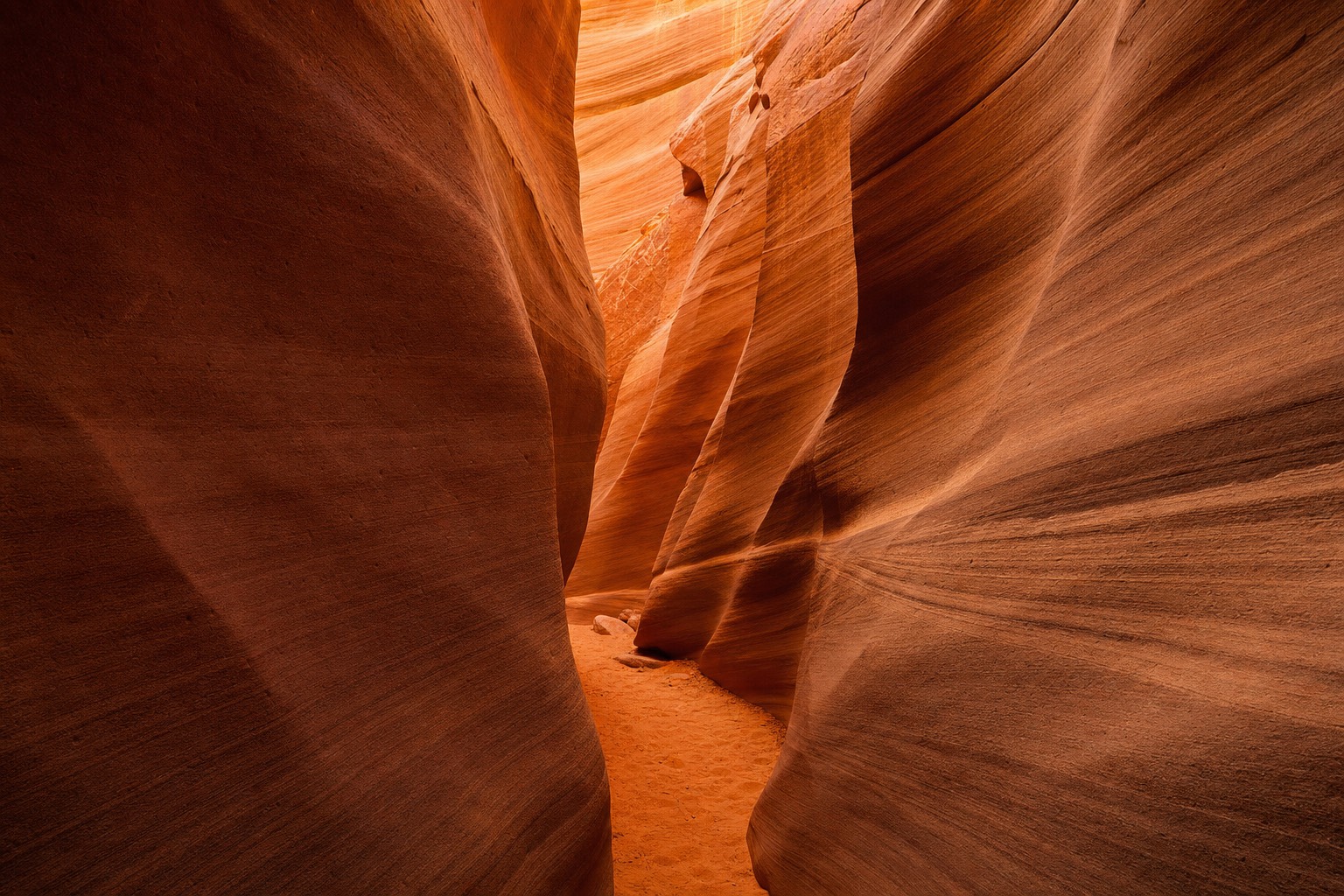
Book Lower Antelope Canyon if you want the better value and the livelier walk: a V-shaped slot with ladders and about an hour inside. Book Upper if the famous midday light beams matter to you, since they only form there, late March to mid October. Canyon X is the quiet budget third option.
The question I get most often from travelers passing through Monument Valley, where I guide, is not about my own canyons. It is this one: Upper or Lower Antelope. So I did what I always tell guests to do before spending money on Navajo land. I pulled both listings, read the recent reviews side by side, and compared the operators' calendars for the season. The two canyons sit minutes apart in the same wash outside Page, and they are genuinely different animals.
What actually separates Upper and Lower Antelope Canyon?
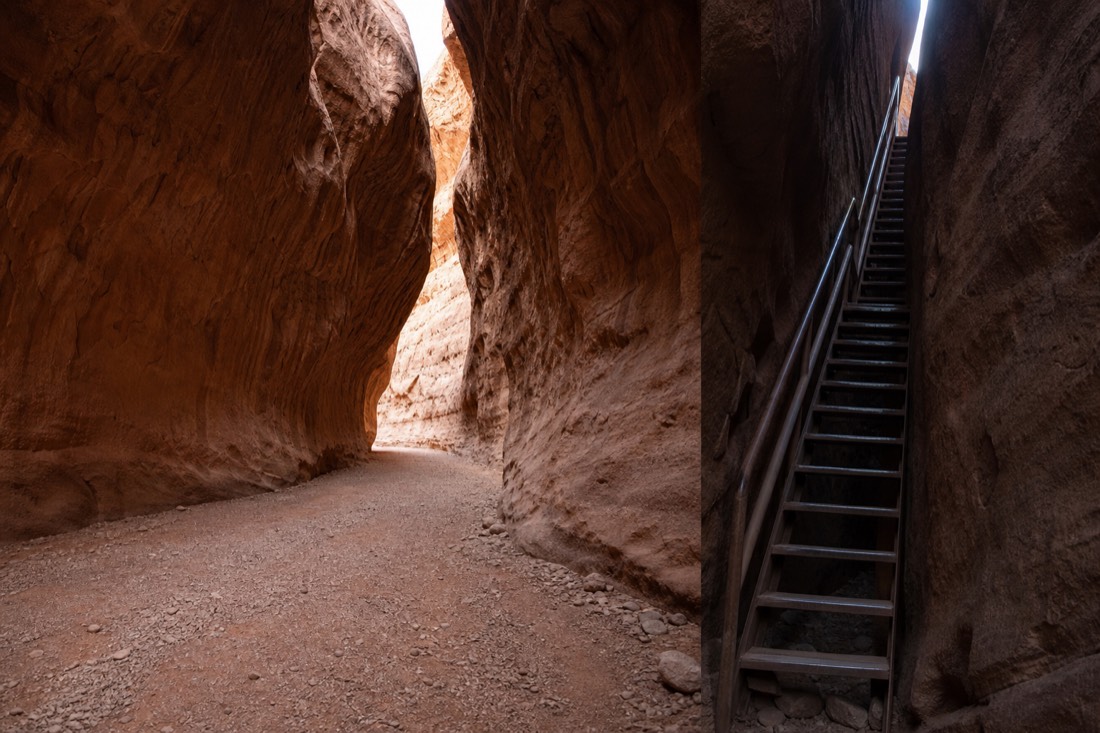
Upper is an A-shaped canyon: wide sandy floor, walls narrowing overhead, a sandy walk followed by an outdoor hill-and-stair exit. Lower is the opposite, a V-shaped slot you descend into on steel stairs and ladders, narrow at your feet and open to the sky. Both are guided-only Navajo Tribal Park sites, both run about an hour inside, and both need advance booking.
That shape difference drives everything else. Upper's wide floor makes it the easy walk and the beam canyon. Lower's stairs and tight passages make it the more physical, more playful route, and reviews consistently describe it as the more varied hour. Every section of Antelope Canyon is guided-only under Navajo Nation Parks rules, so the real choice is not whether to take a tour but which canyon and which time slot.
Here is the head-to-head, with review scores attributed to the platform that shows them:
| Upper Antelope Canyon | Lower Antelope Canyon | |
|---|---|---|
| Walk style | Sandy interior; outdoor hill-and-stair exit | Descend and climb, one-way through |
| Stairs and ladders | Outdoor hill-and-stair exit | Several steel stair-ladder flights |
| Light beams | Yes, late March to mid October, midday | No true beams; glowing walls instead |
| Time in canyon | Tours run roughly 75 to 160 minutes total | About 1 hour inside |
| Price picture | Higher band (live price on the listing) | Lower band (live price on the listing) |
| Crowds | Iconic and busiest, groups moving in waves | Busy but flows one-way, feels less static |
| Review scores | 4.5 from 2,726 reviews on GetYourGuide; 4.7 from 2,069 on Viator (AACT) | 4.7 from 8,861 on GetYourGuide, Top rated badge; 4.9 from 7,298 on Viator |
Which one is better for photos and light beams?
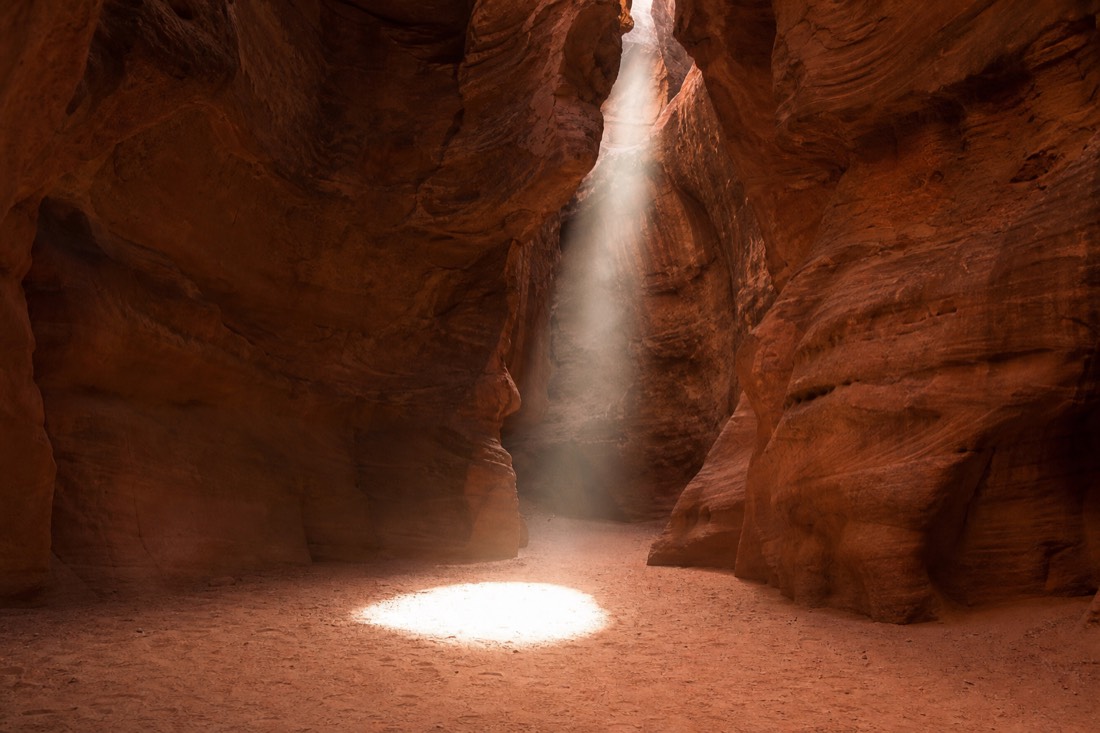
For the classic vertical light beam, Upper wins, full stop. Beams only form there, from late March to mid October, strongest around 11am to 1pm. For color, texture, and wall shots, Lower photographs beautifully all day. Neither canyon allows tripods, so both are handheld or phone territory now.
The beam is a seasonal, midday, Upper-only event, and even in season a cloudy sky cancels it. I cover the timing in detail in the light beams guide. Lower compensates with swirling, layered walls lit by bounced light, and recent visitor photos from phone cameras hold up well in both canyons. Since the tripod ban, the old photographer-versus-tourist divide is mostly gone. If a beam photo is the whole point of your trip, book a midday Upper Antelope Canyon tour in season and accept that weather makes the final call.
Which is easier to walk: what about stairs, kids, and mobility?
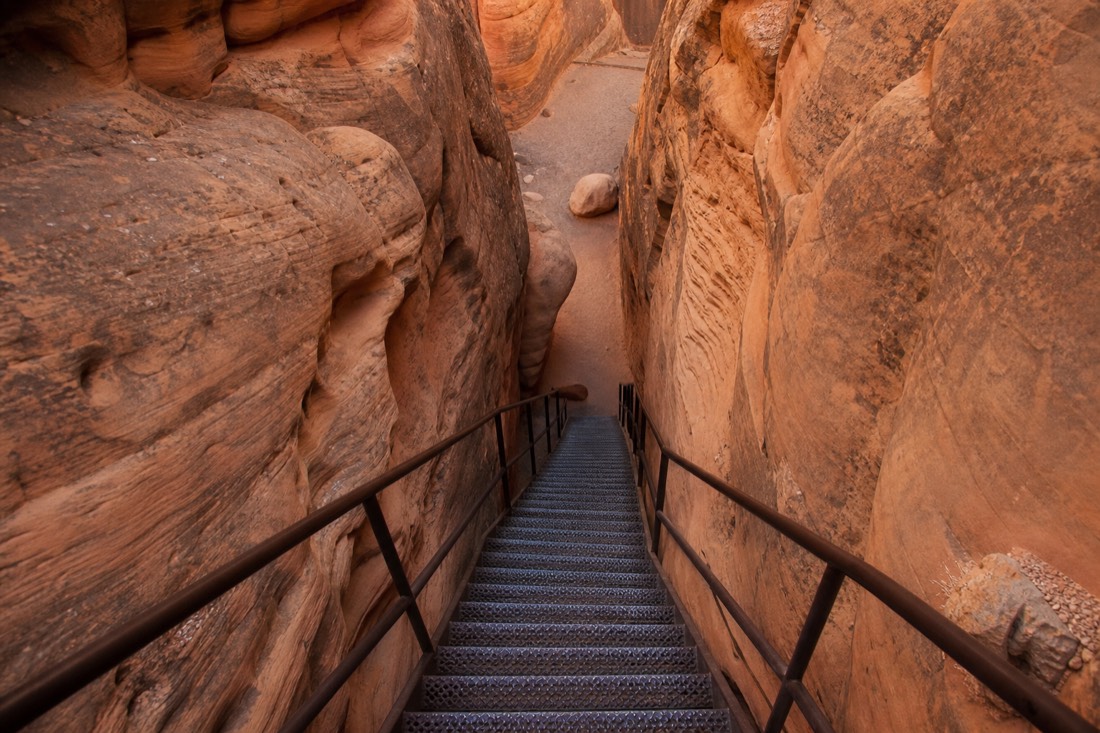
Upper has a relatively level inner floor, but the full tour includes sand, an outdoor hill and stairs. It is not a step-free option; confirm the exact operator’s age and mobility rules. Lower demands several steel stair-ladder flights and some tight squeezes. Reviews describe it as an easy walk rather than a hike, but knees and hips notice it.
Minimum ages typically sit around 5 to 8 depending on the operator and section, so check the listing before booking with little kids. Visitors with claustrophobia report the tight lower passages of the V-slot as the harder moment; Upper's wide floor rarely triggers it. Nobody should picture mountaineering here. The consistent review line across both canyons is that these are walks, not hikes. What Lower asks of you is ladder confidence and a tolerance for single-file stretches. What Upper asks is patience with crowds.
Who should pick which:
| You are... | Book this | Why |
|---|---|---|
| Chasing the famous beam photo | Upper, midday, in season | Beams form only in Upper, around 11am to 1pm |
| Traveling with a stroller-age kid or limited mobility | Ask the exact operator first | Upper also has an outdoor hill-and-stair exit |
| Wanting the most fun, varied hour | Lower | Stairs, squeezes, one-way flow |
| On a tighter budget | Lower or Canyon X | Consistently the cheaper bands |
| Allergic to crowds | Canyon X | Smallest visitor volume of the three |
| Doing this once, no strong preference | Lower | Strongest review scores and value |
Which costs less and which sells out first?
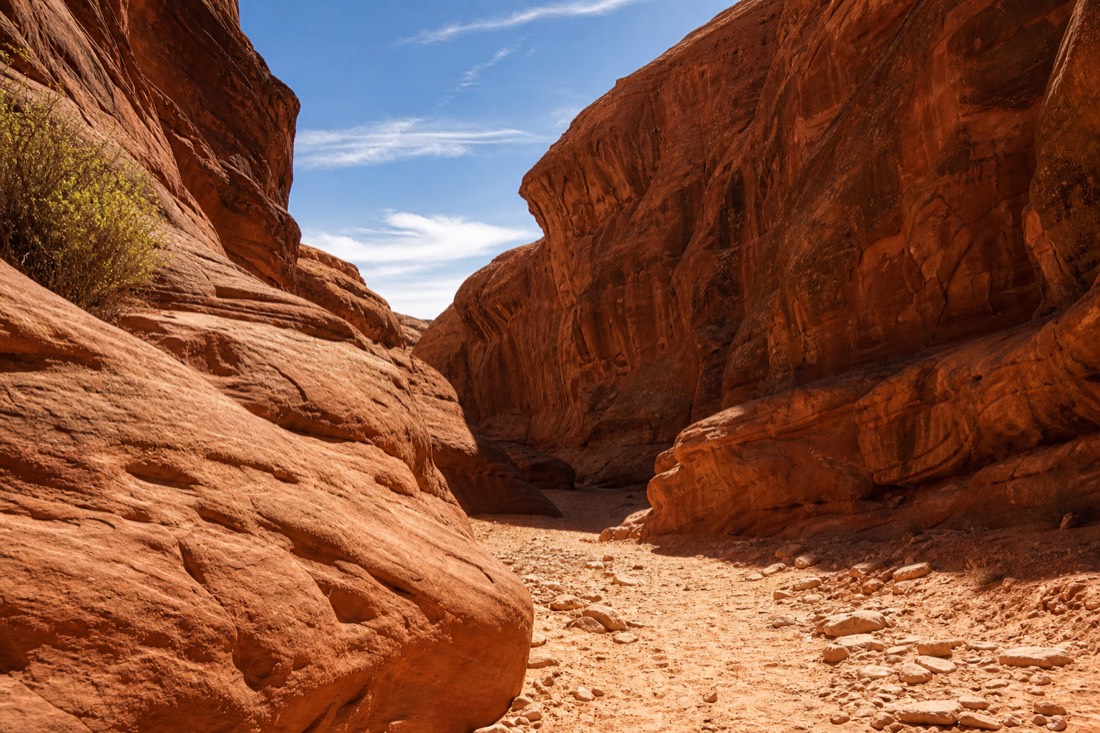
Lower is consistently cheaper than Upper. Current operator pricing puts Lower tours around 60 to 85 dollars base and Upper around 90 to 120, before the 15 dollar per person Navajo Nation permit where it is not already included. Upper midday slots in summer sell out months ahead; morning slots go last.
Those are the bands operators were charging as of mid 2026; the live price is always on the listing, so treat the numbers as the shape of the market rather than a quote. The Navajo permit must be accounted for, with age rules, inclusions and same-day receipt credit confirmed for the exact booking, which some listings fold in and some collect separately. I break the full math down, permit included, in the tickets and prices guide. On availability, the pattern in forum reports is stable: midday Upper in July is the first inventory to vanish, and walk-ups rarely succeed anywhere.
Canyon X vs Lower vs Upper: is the third option the smart one?
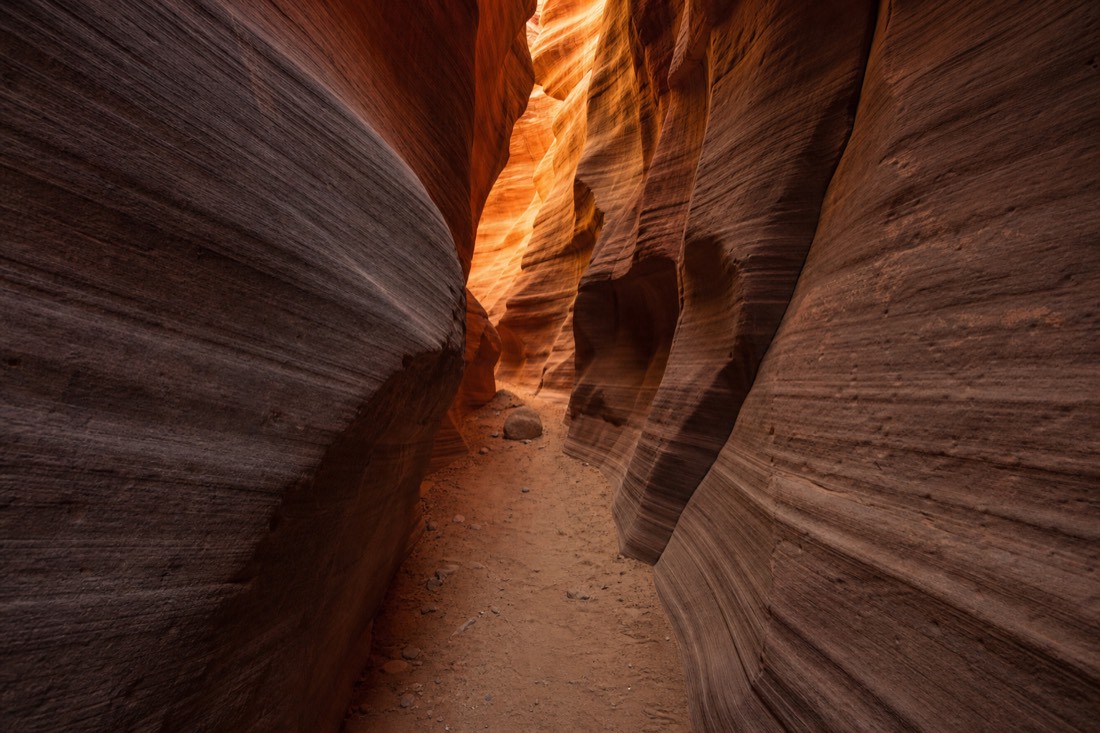
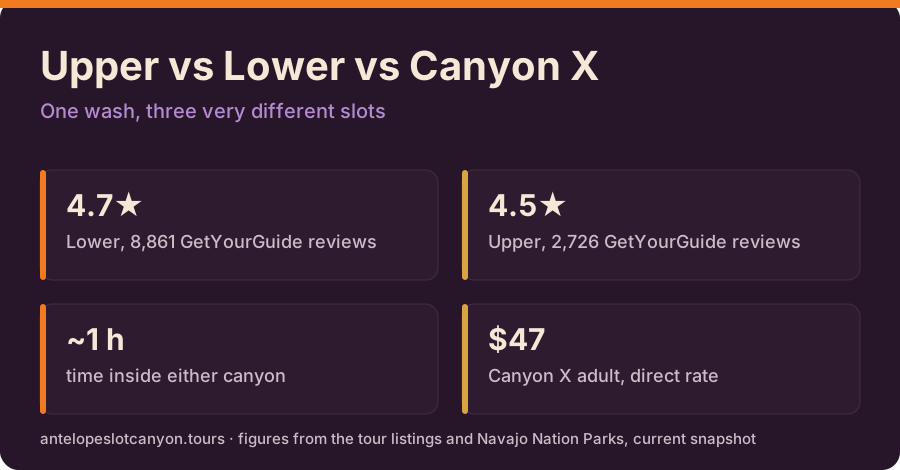
Canyon X, run by Taadidiin Tours, is the quiet third slot: same Navajo-guided system, a fraction of the foot traffic, and the lowest direct prices. Visitor sentiment puts it at roughly ninety percent of the Lower experience with far fewer people. It trades the famous name for breathing room.
Canyon X sits a few miles down the same drainage, with Taadidiin Tours holding the access and terrain that mixes a short hike with slot sections. The GetYourGuide Canyon X tour carries a 4.7 from 4,413 reviews with a likely-to-sell-out flag, so quiet is relative, but it is nowhere near Upper's wave-after-wave rhythm. On Reddit and Tripadvisor threads comparing all three, the pattern repeats: Lower edges X on pure spectacle, Upper stays the most iconic and the most crowded, and X wins on space and price.
| Upper | Lower | Canyon X | |
|---|---|---|---|
| Signature draw | Midday light beams | Sculpted V-slot, ladders | Solitude, two slot sections |
| Crowd level | Highest | High but moving | Lowest of the three |
| Terrain | Flat | Stairs and ladders | Short hike plus slots |
| Direct price position | Highest band | Middle band | Lowest, from 47 dollars adult per operator pricing |
| Platform score | 4.5 / 2,726 (GYG) | 4.7 / 8,861 (GYG) | 4.7 / 4,413 (GYG) |
Is it worth doing both Upper and Lower in one day?
Yes, it is doable and many visitors call it worth it, because the canyons feel genuinely different. The catch is cost and clock: two tours, with permit inclusion and any same-day receipt credit to check, and slots that must be booked two to three hours apart. Doing both easily clears 200 dollars per person before food and fuel.
The entrances sit minutes apart off Highway 98, so logistics are not the problem. Sequencing is. If you want the beam, Upper must own the 11am to 1pm window, which pushes Lower to early morning or mid afternoon. Book both well ahead; you cannot improvise this in summer. One time-zone warning: Page skips daylight saving time while the Navajo Nation observes it, so confirm whether your ticket time is city time or Navajo time.
| Slot | Plan | Notes |
|---|---|---|
| 8:00 to 9:30am | Lower Antelope tour | Cooler, first slots carry the fewest people |
| 10:00am | Drive and check in for Upper | Entrances are minutes apart; arrive early |
| 11:00am to 1:00pm | Upper Antelope tour | The beam window in season |
| Cost reality | Two tour totals; confirm permit inclusion and same-day receipt credit | Live prices on each listing |
| Backup | Swap Lower for Canyon X | Cheaper, quieter second canyon |
If the double-header budget stings, my honest suggestion is one canyon done at the right hour instead of two done rushed. Which one? Read the grid above, then see how the operators themselves compare before you commit, since Ken's and Dixie's run the Lower access side by side.
How does check-in work at Upper compared with Lower?
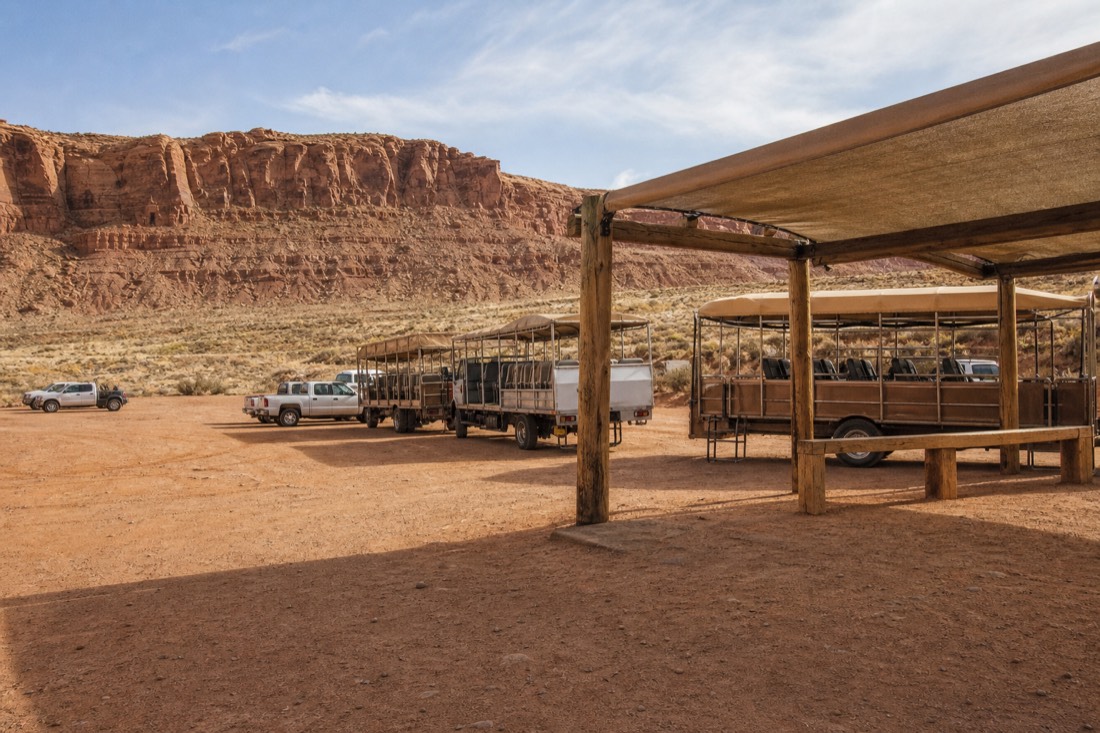
Upper tours check in either in Page itself or at a Highway 98 staging site, then move you out to the canyon mouth, which is why listings quote 75 to 160 minutes for about an hour of walking. Lower tours check in at Ken's or Dixie's bases beside the entrance and walk you straight to the stairs.
The staging difference is the part reviews rarely explain and first-timers most often get wrong. Antelope Canyon Tours runs its Upper departures from downtown Page, while AACT meets at milepost 302 on Highway 98 and caps its shared Viator tour at 30 people. Either way, your booked time is a check-in time, not the moment you step into the slot. The operator still has to marshal the group and cover the ground to the canyon, and that is where the extra minutes on the Upper listings go. Lower is tighter. Ken's and Dixie's sit side by side at the entrance, and the descent begins a short walk from where you show your confirmation.
In peak season, Upper groups of about 10 to 15 enter roughly every eight minutes, so a late arrival does not slide into the next departure for free; the next one is already full. My allowance for guests, the same one I give at Monument Valley: be at any check-in 30 minutes early in summer, and 45 if you are crossing the town-versus-Navajo time-zone line for the first time. That is planning slack, not an operator rule, so read your confirmation for the actual arrival instruction.
| Upper Antelope | Lower Antelope | |
|---|---|---|
| Where you check in | Downtown Page (Antelope Canyon Tours) or Highway 98 milepost 302 (AACT) | Ken's or Dixie's base at the Lower entrance off Highway 98 |
| From check-in to slot | Group assembled, then moved out to the canyon | Short walk to the stairs |
| Listed total time | 75 to 160 minutes on the GetYourGuide entry; about 1 h 20 min with AACT on Viator | About 1 hour |
| Group rhythm | 10 to 15 per group, a new group about every 8 minutes in season | One-way flow through the slot |
| Early-arrival allowance | 30 to 45 minutes before your slot | 30 minutes before your slot |
| Cancellation on the listing | AACT on Viator: 24 hours; other options vary | Viator: free cancellation; GetYourGuide: check the listing |
How do you fit both canyons around a drive from your base town?
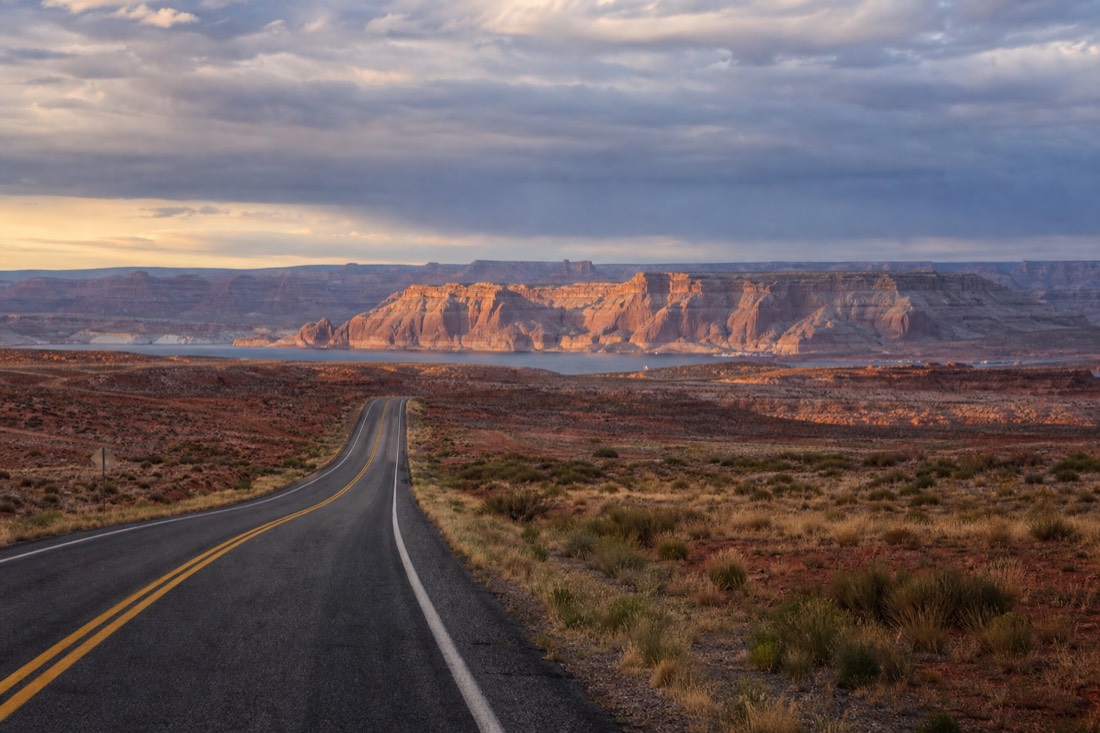
Base in Page if you want both canyons in one day; any other base adds hours each way. From Flagstaff or the Grand Canyon South Rim, two to three hours out, a dawn start lands a Lower slot before Upper's midday beam window. From Las Vegas or Phoenix, about 4.5 hours, do one canyon or stay over.
Page is a small gateway town that hosts over five million visitors a year, and most of them are sleeping somewhere else. That is fine for one canyon and a problem for two, because the two-canyon day is built around a fixed midday Upper slot and a Lower slot two to three hours away from it. Add a long drive at the front and the morning slot disappears. Sedona sits about three hours out, the Grand Canyon South Rim about two, Flagstaff two and a half to three, Zion about two and a half. Each of those can feed a Lower first-slot departure if you leave in the dark, and each gets you home for dinner. Las Vegas is 270 to 280 miles and about 4.5 hours one way, closer to five and a half with stops, and Phoenix runs about 4.5 as well. From either, the honest options are one canyon with an overnight in Page or the packaged day trip that does Lower plus Horseshoe Bend in a 14 to 15 hour loop.
| Your base | One-way drive to Page | Both canyons in one day? | Realistic plan |
|---|---|---|---|
| Page | None | Yes | Lower first slot, Upper midday, Canyon X held as backup |
| Grand Canyon South Rim | About 2 hours | Yes, with a dawn start | Leave before sunrise; see the Grand Canyon to Antelope guide |
| Sedona | About 3 hours | Yes, long day | Same shape; the Sedona route guide has the timings |
| Flagstaff | About 2.5 to 3 hours | Yes, tight | Lower first slot only if you leave in the dark |
| Zion | About 2.5 hours | Yes, tight | Confirm your ticket clock; the time-zone gap bites here |
| Las Vegas | 270 to 280 miles, about 4.5 hours | No | One canyon with a Page overnight, or the 14 to 15 hour day trip |
| Phoenix | About 4.5 hours | No | One canyon; the Phoenix route guide covers the drive |
Which months favor Upper and which favor Lower?
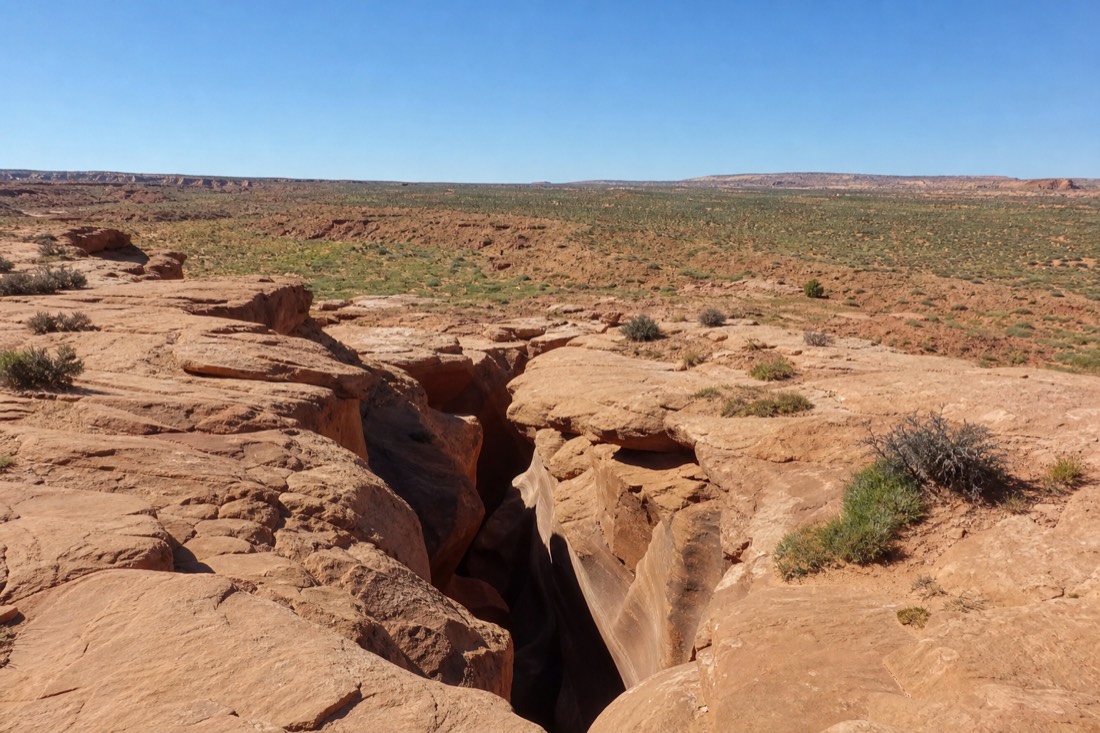
Upper earns its premium only from late March to mid October, when midday beams form; outside that window Lower is the better buy in every month. Lower and Canyon X are indifferent to the calendar for light and care only about crowds, so their best months are November to early March.
Put the two canyons on the same calendar and the choice gets simpler than the reviews make it sound. Upper's whole case is the beam, and the beam runs a seven-month season with a midday clock. From mid October to late March you are paying the highest band of the three for a flat walk with wall glow, which Lower does at least as well for less. Inside beam season, Upper is worth the premium on clear days, and the edges of the season, late March through April and late September into mid October, give you the column with thinner crowds than July. Lower's calendar is about people, not light. Its glow works all day and all year, so its best months are simply the quiet ones. Canyon X is quiet enough that even peak months are tolerable, which is why I point crowd-averse summer visitors there first. One month-agnostic reality sits under all of this: mid June through September is monsoon season, and any section can cancel on flash-flood risk. Read the monsoon backup plan if your dates land there.
| Month block | Upper Antelope | Lower Antelope | Canyon X | My call |
|---|---|---|---|---|
| November to mid March | No beams, thin crowds, cold mornings | Quiet, soft low-angle glow | Quietest of the year | Lower or X; Upper only if ladders are out for you |
| Late March to April | First thin beams, crowds building | Building | Building | Upper if the beam matters; the value end of beam season |
| May | Strong beams, peak season opens | High | Moderate | Upper midday, or Lower first slot |
| June to mid September | Peak beams, peak crowds, monsoon risk | Peak crowds, monsoon risk | Best crowd relief | Morning slots, loosest cancellation you can find |
| Late September to mid October | Last strong beams, easing crowds | Easing | Easing | Best both-in-one-day window of the year |
| Late October | No beams | Shoulder calm | Shoulder calm | Lower |
Who should skip Upper, and who should skip Lower?
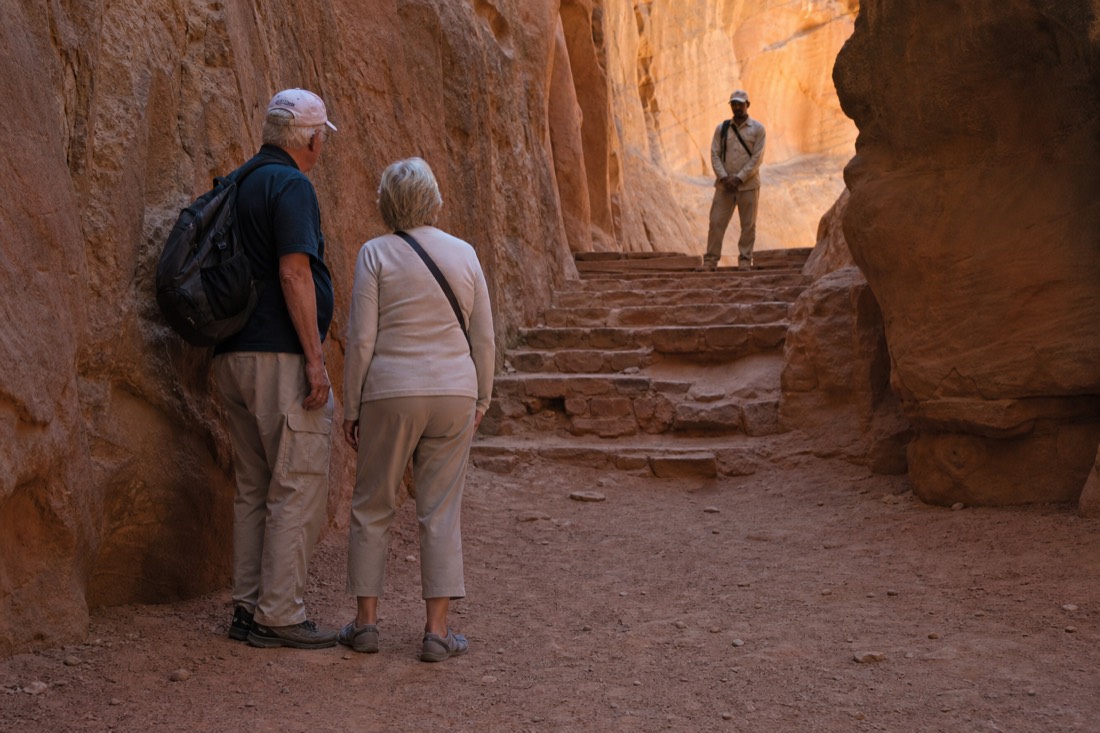
Skip Lower if steel stair-ladders or single-file squeezes are a real problem for anyone in your party, or if a child is under the operator's age floor. Cancellation depends on the exact ticket: the checked AACT Upper and Lower Viator listings allow a full refund when canceled at least 24 hours ahead. Canyon X on Viator is nonrefundable for customer cancellations, while the checked GetYourGuide Canyon X listing allows cancellation at least four days ahead. Reconfirm the chosen option at checkout.
Every comparison page tells you which canyon is better. Almost none tells you which one to skip, and that is the more useful question when a party has mixed needs. Lower's disqualifiers are physical: several steel stair-ladder flights, tight passages, and an age floor that runs about 5 to 8 depending on the operator. Reviews call it an easy walk, and it is, but "easy" assumes ladder confidence and hips that tolerate a few awkward steps. Our claustrophobia guide covers the narrow-passage question honestly. Upper's disqualifiers are about terms and temperament. The GetYourGuide entry refunds only on cancellations five or more days out, a hard rule if you are booking inside monsoon season on a rigid itinerary; the AACT listing on Viator, at 24 hours, and the Lower Viator tour, with free cancellation, are the flexible alternatives. Upper's crowd rhythm, group after group through the same chambers, is also the wrong fit for anyone who came for quiet. And in winter, Upper's premium buys nothing Lower does not offer.
| If this is you | Skip | Because | Do instead |
|---|---|---|---|
| Bad knees, hips, or ladder nerves | Lower | Several steel stair-ladder flights | Confirm the full Upper route; it also has outdoor stairs |
| Strong claustrophobia | Lower | Narrow V-shaped passages, single file | Upper's wide corridor |
| Traveling with a child under the age floor | Whichever listing sets the higher floor | Floors run about 5 to 8 by operator | An operator-confirmed child option; check the kids guide |
| Allergic to crowds | Upper | Highest volume, groups every 8 minutes | Canyon X, or Lower first slot |
| Booking inside monsoon on a fixed plan | Upper via GetYourGuide | AACT on Viator: 24 hours; other options vary | AACT on Viator (24 h) or Lower on Viator (free) |
| Visiting mid October to late March for beams | Upper | No beams form in those months | Lower or Canyon X, and pocket the difference |
| Tight budget | Upper | Highest band, roughly 90 to 120 | Canyon X direct from 47, or Lower at 60 to 85 |
Is Lower Antelope Canyon scary or claustrophobic?
Most reviews call it an easy walk with a few tight, single-file squeezes and several steel stair-ladder flights. People with strong claustrophobia report the narrow V-shaped passages as the hard part. Upper, with its wide sandy floor, is the gentler pick if enclosed spaces worry you.
Which is nicer if I can only do one?
Without a beam requirement, Lower: it is cheaper, scores higher on both booking platforms, and reviewers describe the more varied hour. If your trip is built around the midday light beam photo, only Upper delivers it, and only from late March to mid October.
Can I visit either canyon without a guide?
No. Every section of Antelope Canyon sits on Navajo Tribal Park land and is open only with an authorized Navajo operator. There is no self-guided access at all; the full system is explained in our guide to visiting without a tour.
How far apart are the Upper and Lower entrances?
Minutes by car, on opposite sides of the same stretch of Highway 98 east of Page. That is what makes the both-in-one-day plan practical, as long as the two bookings sit two to three hours apart.
Your next booking step
Lower Antelope with a Navajo guide
Have a travel date in mind? A timed walk among Lower’s sculpted walls, with entry and the Navajo permit included. Check the date before arranging the rest of this part of your trip.
General starting point — confirm the exact party and date
Select a date to load the Viator schedule. Availability and final price are confirmed on Viator.
Check dates for Lower Antelope with a Navajo guide
Ken’s Tours, Lower entrance; arrive 30 minutes early. Return to the same site. Steel stairs and narrow passages; no bags or tripods. Not recommended during pregnancy or with spinal/cardiovascular conditions. Customer cancellation: full refund at least 24 hours before departure; reconfirm at checkout.
Compare routes, adjust your plan & budget
Upper vs Lower Antelope Canyon compared honestly: light beams, ladders, prices, crowds, review scores, plus Canyon X and whether doing both in one day makes sense. These are different experiences, not interchangeable admission tickets. All listed guiding is in English.
A timed walk among Lower’s sculpted walls, with entry and the Navajo permit included. 60 minutes; English; from Page. Ken’s Tours, Lower entrance; arrive 30 minutes early. Return to the same site. Steel stairs and narrow passages; no bags or tripods. Not recommended during pregnancy or with spinal/cardiovascular conditions. Customer cancellation: full refund at least 24 hours before departure; reconfirm at checkout.
Upper’s beam corridor with a Navajo guide; fees and taxes included. 80 minutes; English; from Page. Adventurous Antelope Canyon Tours, Highway 98; arrive 30 minutes early. Return to the same base. Ages 8+; moderate fitness. Sandy walking and the outdoor stair/hill exit; no guaranteed beams. Not recommended during pregnancy or with spinal/cardiovascular conditions. Customer cancellation: full refund at least 24 hours before departure; reconfirm at checkout.
Two Canyon X sections on Taadidiin’s guided hiking route. Choose the hiking option. 90 minutes; English; from Page. Taadidiin Tours, Highway 98; arrive 30 minutes early, using Arizona/Phoenix time. Return to the same site. Steep access trail. Permit is listed as included but the API’s old fee amount conflicts with current operator information; confirm the final total. Guide service fee extra. No tripod on hiking option. Nonrefundable for customer cancellation on Viator; read the exact weather-cancellation terms.
Affiliate links: we may earn a commission at no extra cost to you. Schedule dates are not confirmed seats.