Horseshoe Bend 2026: Fees, the Walk, and Pairing It with the Canyon
The famous river bend sits ten minutes from the slot canyons and plays by completely different rules: a city-run parking lot, no guide, no tribal permit. Here is how the fees, the walk, and the pairing actually work.
 Written with Daniel Begay, Navajo guide & Southwest canyon specialist
Short answer
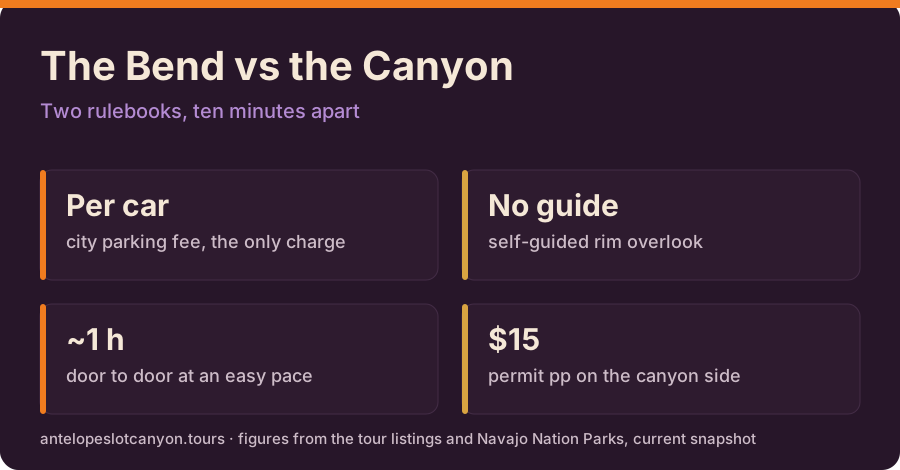
Horseshoe Bend runs on a city-managed parking lot and an open trail, not on the Navajo guided-tour system. You pay a per-vehicle parking fee at the City of Page lot off US-89, walk a short trail to the rim, and need no guide, tribal permit, or reservation. Antelope Canyon is the opposite: Navajo land, guided-only, booked well ahead.
Horseshoe Bend is the one big stop near Page where nobody checks for a guide. That surprises people. As a Navajo guide I spend my working life on tribal land, where every slot canyon visit runs through an authorized operator and a permit. The bend plays by city rules instead: a parking fee, a short self-guided walk, and the Colorado River doing something extraordinary a long way below your feet. Here is how the money works, what the walk asks of you, and the cleanest ways to stack it with a canyon tour in the same day.
Why is Horseshoe Bend so famous?
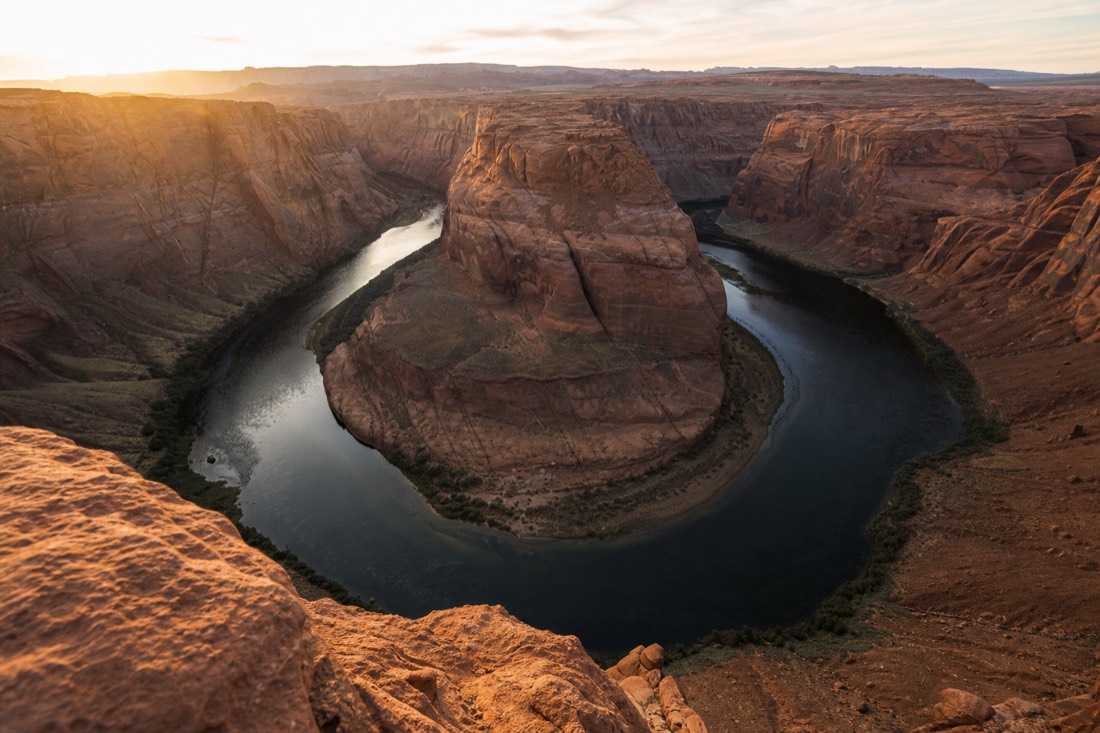
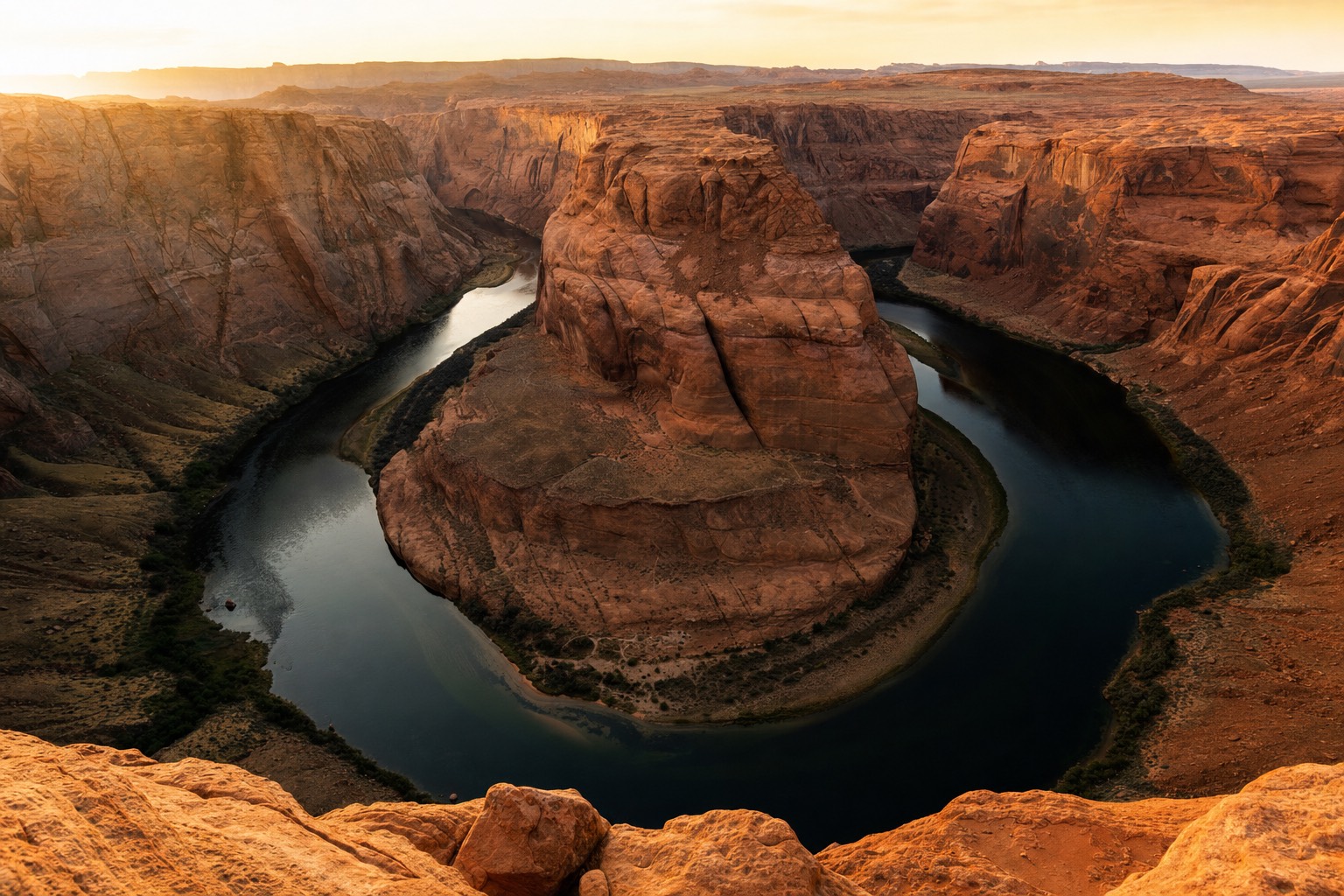
Horseshoe Bend is a sweeping U-turn of the Colorado River around a sandstone butte just south of Page, seen from a rim overlook a short walk off US-89. Its fame is photo-driven: one frame holds river, cliffs, and desert at once, entry costs only a parking fee, and it sits minutes from Antelope Canyon.
The bend was always there. The crowds are recent, and they arrived with the camera phone: a view this graphic, this close to a highway, was built for the feed era. It also benefits from its neighbors. Page is the base town for the slot canyons, Lake Powell, and Glen Canyon, so almost everyone passing through adds the overlook, and almost nobody regrets the hour. If you are mapping a fuller stop in town, the things to do in Page guide puts the bend in context with everything else within twenty minutes of a hotel.
How much does Horseshoe Bend cost, and how hard is the walk?
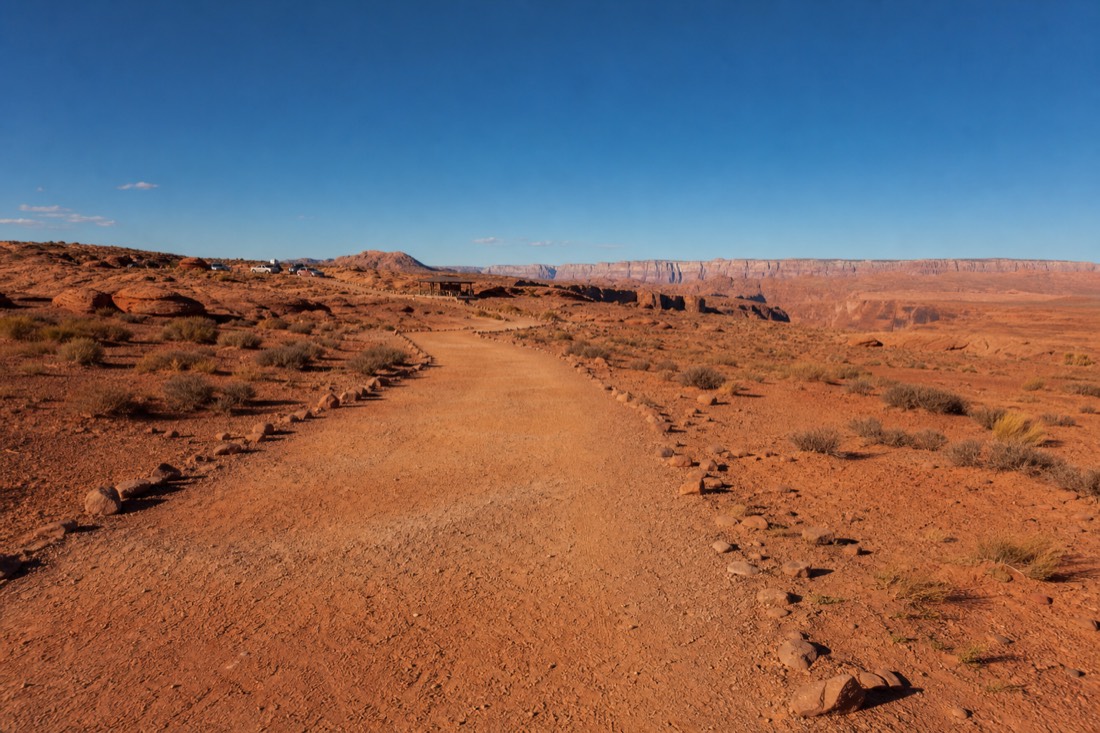
The City of Page charges a per-vehicle parking fee at the overlook lot off US-89. Once you have parked there is no per-person entry charge, no timed ticket, and no guide. From the lot it is a short out-and-back walk to the rim, fine for most fitness levels at an easy pace.
The current parking rate is posted by the city, so check it as you plan rather than trusting an old blog number. What the fee buys is simple: the lot, the trail, and the view. The walk itself is open desert with almost no shade, which matters more than distance. In summer, carry water, go early or late, and give the rim edge the respect a sheer drop deserves, especially with kids. Budget about an hour door to door at a relaxed pace, longer if you settle in for the light.
| Question | The short answer |
|---|---|
| Who runs it | City of Page (the overlook and lot), not Navajo Parks |
| Cost | Per-vehicle parking fee; no per-person charge after that |
| Guide required | No, fully self-guided |
| Reservation | None, drive up and park |
| The walk | Short out-and-back trail, exposed desert, little shade |
| Time to allow | About an hour at an easy pace |
| Facilities | At the lot; nothing at the rim itself |
Why does Antelope Canyon need a guide when the bend does not?
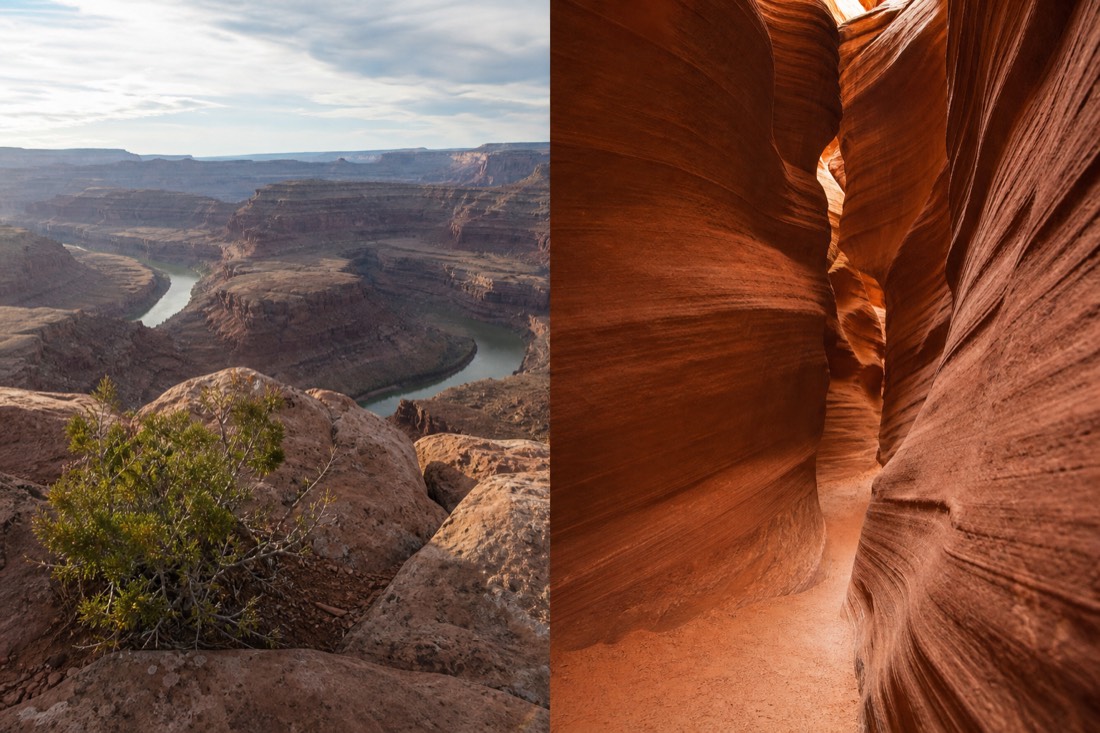
Land status, nothing else. Every section of Antelope Canyon sits on Navajo Nation land, where slot canyons are guided-only with authorized Navajo operators and the Nation's 15 dollar per person permit applies. Horseshoe Bend is reached from a City of Page parking lot on a self-guided trail with no guide requirement and no tribal permit, only the parking fee.
This is the single most useful thing to understand about a Page itinerary. The bend is spontaneous: show up whenever, pay to park, walk. The canyon is the opposite, a reservation you make days or weeks ahead through a permitted operator, with no self-guided option of any kind. I unpack that whole system in the can you visit without a tour guide, and the answer has not changed: for the slots, no. So when people ask me which one to plan the day around, the logic writes itself. The canyon booking is the fixed point. The bend bends around it, which is fitting.
Is sunrise or sunset better at Horseshoe Bend?
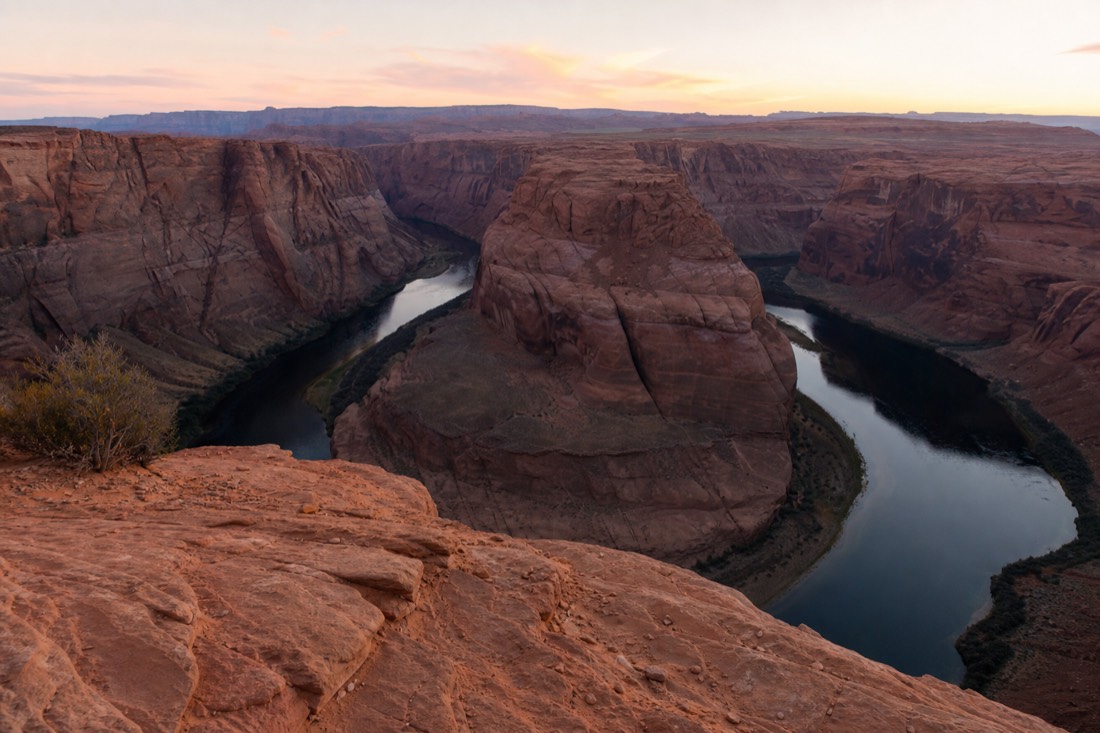
There is no wrong hour, only trade-offs. Around midday the sun reaches the river itself and the water color reads best, but that window belongs to canyon tours. Sunset draws the heaviest crowds and drops part of the bend into shadow. Sunrise trades peak color for space and cool air. My summer call: go early.
I plan around desert light for a living, and the pattern here is the same one I use at home in Monument Valley. Middle hours are for color, edge hours are for mood and room to breathe. In July and August there is a second factor: monsoon cells build over the plateau in the afternoon, and an exposed rim is nowhere to stand when one rolls through. Early also beats the heat on that shadeless trail. If your trip is flexible, the best time to visit guide lines up the bend, the beams, and the weather in one calendar.
Can you kayak below Horseshoe Bend, and is the rim enough?
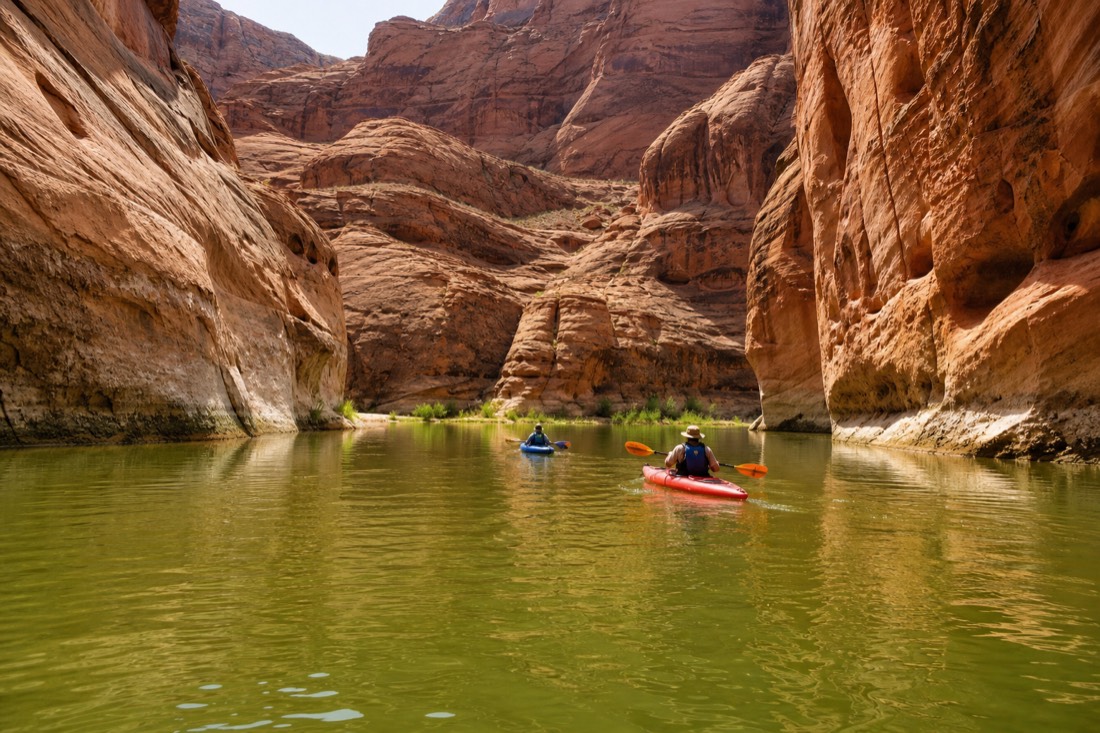
Yes. The water below the rim is the Colorado River inside Glen Canyon National Recreation Area, and paddlers run it as a real outing rather than a stop. It is a separate activity from the overlook, and separate again from the Lake Powell kayak routes that reach Antelope Canyon's water side.
From the rim you are above the frame. From a kayak you are inside it, looking up at walls the overlook flattens. The trade is effort and time: a paddle here is a half day or more, conditions matter, and planning runs through NPS guidance rather than a parking machine. One distinction I keep repeating because the names confuse people: the kayak trips in our lineup paddle Lake Powell into the drowned lower reach of Antelope Canyon. That is a different body of water from the river bend, a few miles and one dam apart.
| Rim overlook | Kayaking the river below | |
|---|---|---|
| Managed by | City of Page lot and rim | Glen Canyon NRA (National Park Service) |
| Time needed | About an hour | Half a day or more |
| Cost | Parking fee only | Rental or guided trip pricing, varies |
| Effort | Short exposed walk | Real paddling; wind and conditions matter |
| The view | The full U-bend from above | Canyon walls from water level |
| Booking | None | Plan ahead; check current NPS guidance |
What is the smartest way to pair the bend with a canyon tour?
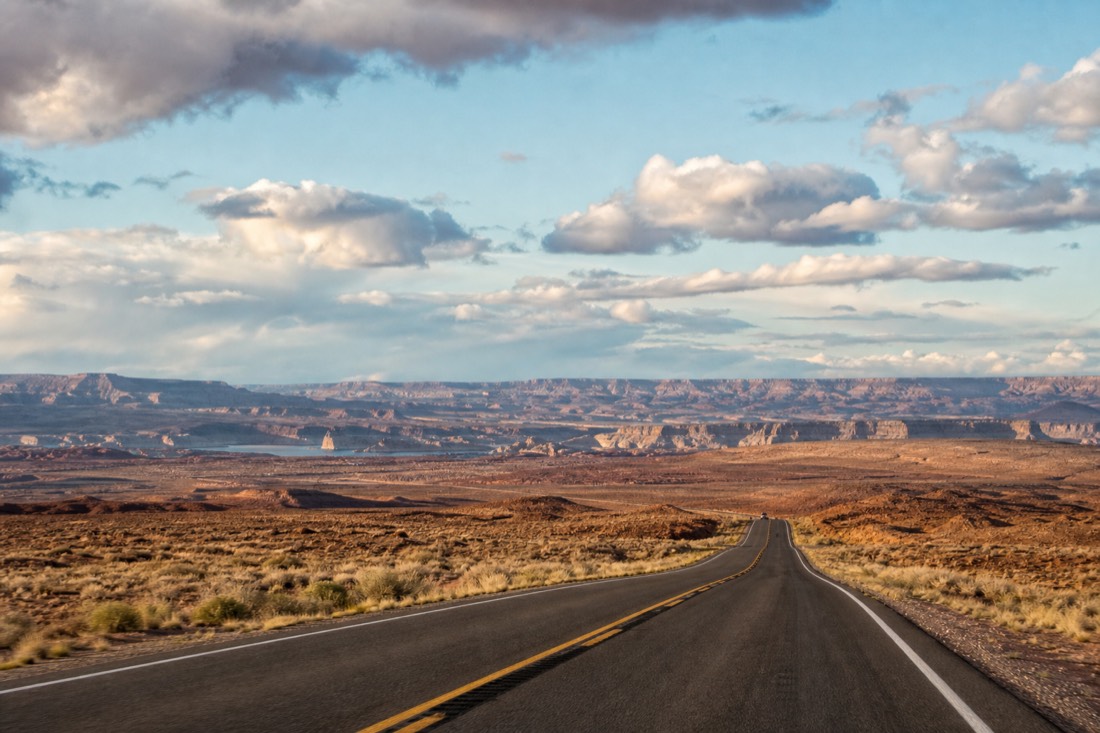
Book the guided canyon slot first, because that is the reservation that sells out, then wrap Horseshoe Bend around it; the overlook takes about an hour and needs no booking. From Page the pair fits inside half a day. From Las Vegas, one long day tour covers Lower Antelope and the bend together.
Three plans cover almost everyone:
| Plan | Morning | Afternoon | Why it works |
|---|---|---|---|
| Page classic | Lower Antelope guided walk | Horseshoe Bend before evening | Canyon in the good light, bend at your own pace |
| One booking | Upper, Lower, and the bend as a guided half-day combo | Free evening in Page | A guide sequences all three stops for you |
| From Las Vegas | Early pickup and the drive out | Lower Antelope plus the bend, back late | One seat covers both, 14 to 15 hours door to door |
The single-booking route exists because the sequencing question is real: if you would rather hand the clock to someone else, see the full tour lineup and check live availability and prices on Viator for the Upper, Lower, and Horseshoe Bend half-day combo from Page. Coming from Nevada instead, the Las Vegas day trip carries a 4.9 from 8,115 Viator reviews with lunch and WiFi on the bus, and the bend is built into its route; the Las Vegas day tour page and the Vegas planning guide cover that long day honestly. One timing footnote either way: Page skips daylight saving time while the Navajo Nation observes it, so the bend runs on city time and your canyon ticket may not. Confirm with the operator.
How much heat, shade, and water should you plan for on the Horseshoe Bend trail?
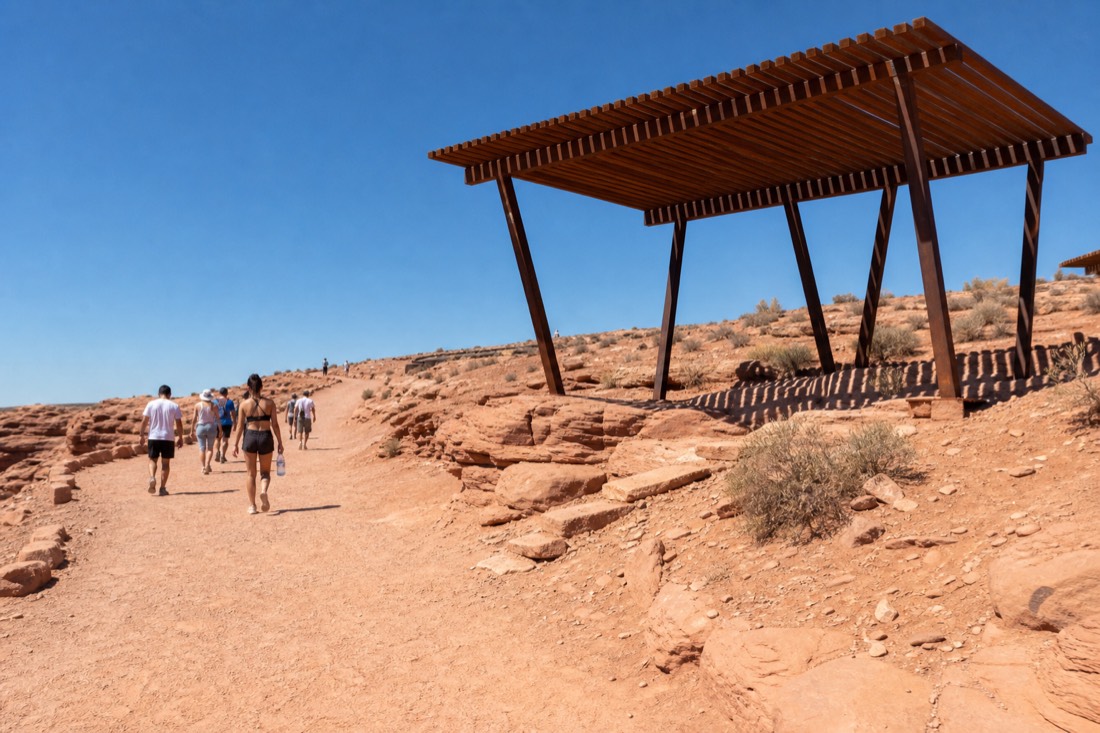
Plan for a 1.5 mile round trip on a packed, hardened trail, about 20 minutes each way, with two shade structures on the path and none at the overlook. There is no water and no toilet on the trail; both live at the parking lot. Summer ground temperatures can pass 100°F, so carry more water than feels reasonable.
The City of Page and the National Park Service publish the same trail facts, and they agree on the part visitors underestimate: the walk is short, the exposure is not. The path is Architectural Barriers Act compliant, which is why wheelchairs, strollers, and leashed dogs all move along it comfortably. What the surface does not do is shade you. Two structures break the walk out; the rim itself is bare rock in full sun. Reviewers who go at midday in July describe the return leg as the hard part, uphill in the heat with the photo already taken. Here is the scorecard I use when people ask which hour to walk out, framed as planning allowances rather than promises:
| Time of day | Heat on the trail | Crowd at the rim | Light on the bend | What to carry |
|---|---|---|---|---|
| Sunrise | Coolest of the day | Lightest | Soft, river in shadow, sky doing the work | A layer for the walk out, water anyway |
| Mid-morning | Warming fast by 9am in summer | Building | Sun reaching the walls, river brightening | Full water bottle per person, hat, sunscreen |
| Midday | Peak, ground hot enough to hurt a dog's paws | Moderate, many people are in the canyons | Sun on the water, strongest river color | Extra water, shade breaks at both structures |
| Late afternoon | Still hot into September | Heaviest of the day | Part of the bend dropping into shadow | Water, and a plan to leave before dark |
| Sunset | Cooling | Heaviest, arrive early for a spot | Warm walls, dark river | A light for the walk back, water |
Two rules from the desert side of my work. Drink before you are thirsty, because the plateau pulls water out of you faster than you notice. And leave the dog in the shade or at the hotel in summer; the city warns that the ground burns paws, and every guide on Navajo land has seen it happen. The what to wear and bring notes cover the same kit for the slot canyons, and the two lists overlap almost completely.
What does the Horseshoe Bend parking fee cover, and what are the lot rules?
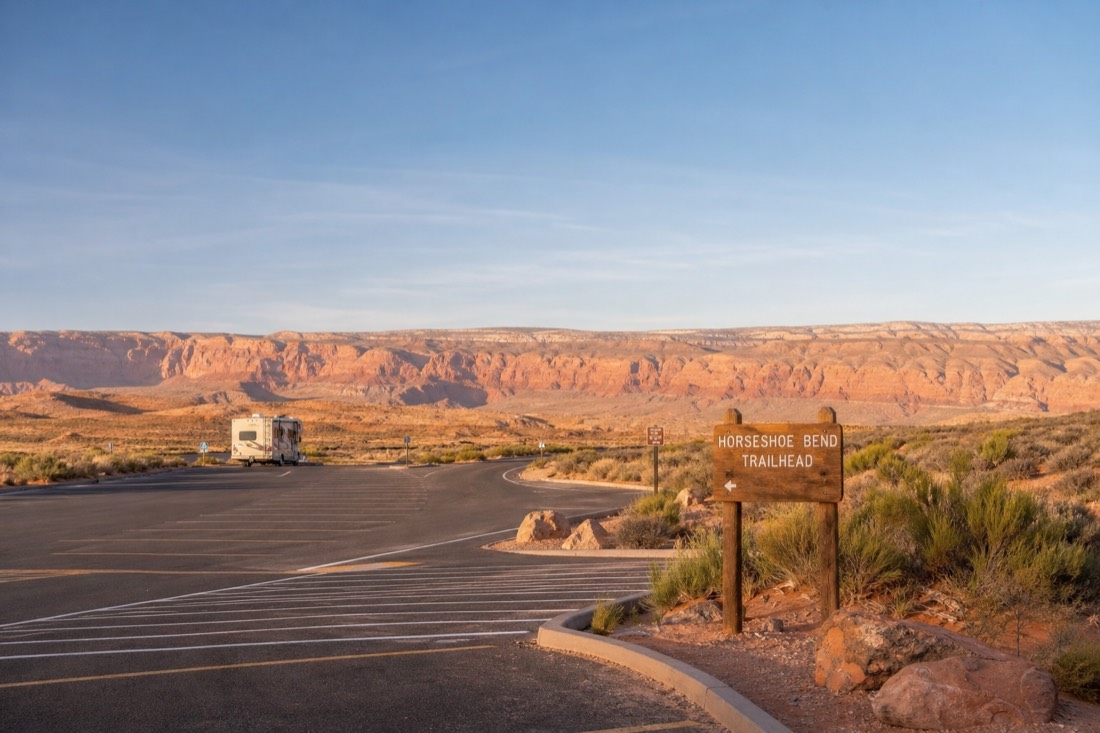
The City of Page currently posts 10 dollars per passenger vehicle, cars, trucks, and RVs alike, paid at the lot with cash or card. National Park passes do not apply. Parking anywhere along US-89 is ticketed and towed, and a city ordinance bans passenger drop-offs at the entrance, so everyone arrives through the lot.
The lot is the whole system. It was expanded in June 2019 with a separate RV area, angled bus and van parking, and accessible spaces near the trailhead, and it holds the only toilets on the site. The turnoff sits about five miles southeast of Page on US-89, between mile markers 545 and 544, and it is well signed. On busy holiday weekends the city notes it can fall back to cash only when the card machines struggle, so a few bills in the glovebox are cheap insurance. What you cannot do is get creative. The highway is posted at 65 mph with no shoulder parking allowed, and the drop-off ban exists because people tried exactly that. Here is the lot in one grid:
| Lot rule | Current position |
|---|---|
| Fee | 10 dollars per passenger vehicle, including RVs, per City of Page |
| Payment | Cash and cards; occasionally cash only on peak weekends |
| Park passes | America the Beautiful and other NPS passes not accepted |
| Highway parking | Prohibited on US-89; ticketed and towed |
| Drop-offs and pickups | Banned at the entrance and along the 89 corridor by city ordinance |
| Toilets and water | At the lot only; nothing on the trail or rim |
| Vehicles | Cars, RVs, buses, and commercial vans each have their own section |
| Wheels on the trail | Bikes, skateboards, and motorized vehicles not allowed; wheelchairs and strollers welcome |
Because the fee is per vehicle rather than per person, a full car is the cheapest ticket in Page, and it is one reason the bend pairs so cleanly with a booked canyon walk. You pay once to park, then spend as long as the heat allows. The tickets and cost guide puts this line item next to the canyon tour and permit prices so the day's budget sits in one place.
How safe is the Horseshoe Bend rim, honestly?
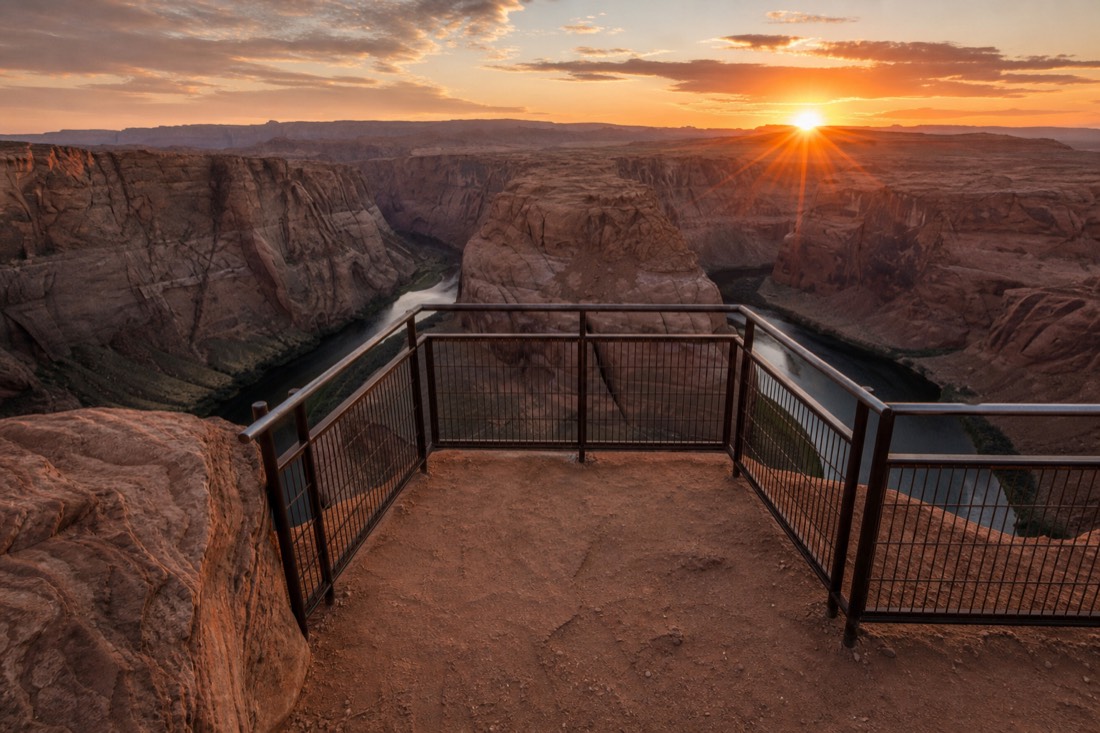
A fenced viewing platform was added in 2018, and it is the only railed spot. Beyond it the rim is open sandstone above a drop of about 1,000 feet, with no barrier along the trail or edge. The city warns the edges can be unstable underfoot, so keep children and dogs close and treat the fence as the view.
I want to say this plainly, without the drama the internet attaches to it. The overlook is not dangerous if you stay behind the rail. It becomes dangerous the moment someone steps past it for a cleaner frame, and both the city and the Park Service put the same warning in writing: the sandstone edge can slide or break underfoot. As a guide who works on this same rock in Monument Valley, I will add what the signs cannot. Navajo sandstone looks solid right up to the point where the top layer lets go, and the lip you are standing on may be a shelf with nothing under it. Wind gusts on an exposed rim are the other variable, and they arrive without warning in the afternoon.
| Where you stand | Railing | What the managers say |
|---|---|---|
| Fenced viewing platform | Yes, added in 2018 | The intended overlook, safe for kids and cameras |
| Rim either side of the platform | None | Exposed edge, unstable sandstone possible; caution asked |
| The trail itself | None, but set back from the drop | Watch footing; keep track of children and pets |
| Anywhere with a drone | Not permitted | Drones banned on the trail and in Glen Canyon airspace alike |
The practical version: hold hands with small kids from the last shade structure onward, keep the dog leashed and short, and take your wide shot from the platform. If someone in your party wants the edge-of-the-world photo, the honest answer is that the fenced platform already gives it, and the exposed rim adds risk without adding much frame. Emergencies are a 911 call; the city notes the fee cashiers are not medics. None of this should keep a family away. It should just keep them behind the rail.
How does a canyon-plus-bend day actually run, hour by hour?
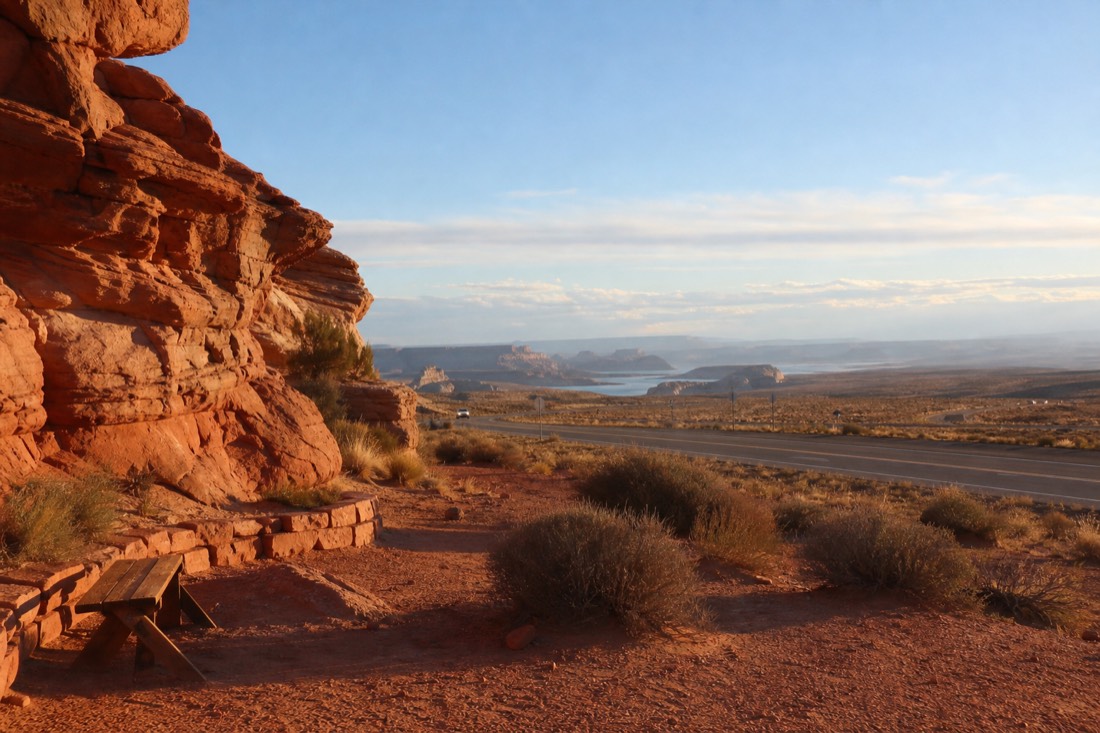
A Lower or Canyon X morning slot plus the bend before evening fits comfortably in one Page day; an Upper midday beam slot pushes the bend to sunrise or late afternoon. Allow 45 minutes for canyon check-in, about an hour inside, and roughly an hour for the bend, plus the ten-minute drives between all three.
The pieces are close together and the clocks are the trap. Lower's operators sit less than ten minutes east of Page on Highway 98, the bend lot sits about five miles southeast on US-89, and Dixie's Lower tours ask you to arrive 45 minutes before your departure for waivers and headcount, with the walk itself running an hour to an hour and a quarter. Upper tours through the GetYourGuide listing run 75 to 160 minutes end to end, and the beam window in season is roughly 11am to 1:30pm. Stack those against sunrise and heat and three honest timelines fall out. Treat every time below as a planning allowance and confirm the operator's clock, because Page skips daylight saving while the Navajo Nation keeps it.
| Time | Lower or Canyon X morning | Upper beam slot | Bend first, canyon after |
|---|---|---|---|
| Sunrise | Coffee in Page | Walk the bend, cool and quiet | Walk the bend, cool and quiet |
| About 45 min before your slot | Check-in at the canyon office off Hwy 98 | Breakfast, then check-in | Drive back toward Page and out to check-in |
| Slot time, roughly 1 h to 1 h 15 | Guided walk in the canyon | Late-morning drive to the Upper meeting point | Guided walk in Lower or Canyon X |
| Around 11am to 1:30pm | Lunch in Page | Upper walk in the beam window | Lunch in Page |
| Mid to late afternoon | Bend walk, 20 min each way | Rest through the heat | Lake Powell, or the things to do in Page list |
| Evening | Free | Second bend visit at sunset if the morning was skipped | Free |
If handing the sequencing to a guide sounds better than running three clocks yourself, the Upper, Lower, and Horseshoe Bend half-day combo exists for exactly this problem, and the Vegas day trip builds the bend into its route already. From my side of the rope, the mistake I see most is the reverse order in summer: canyon at dawn is a fine plan, but bend at 2pm in August is the one people regret.
Is Horseshoe Bend free?
The view is free; the parking is not. The City of Page charges a per-vehicle fee at the overlook lot off US-89, and once parked there is no additional per-person entry charge. The current rate is posted by the city.
Do you need a reservation or guide for Horseshoe Bend?
No. The overlook is self-guided with no timed tickets. That makes it the flexible half of a Page day, the opposite of the slot canyons, which are guided-only and booked ahead through authorized Navajo operators.
Is Horseshoe Bend on Navajo land?
The parking lot is run by the City of Page, the trail and rim sit within the wider Glen Canyon and Navajo Nation boundary area, and the river below runs through Glen Canyon National Recreation Area. What matters for visitors: no Navajo guide booking and no tribal tour permit are required to walk to the rim, unlike every section of Antelope Canyon.
What time zone does Horseshoe Bend use?
Page time, meaning Arizona's year-round standard time with no daylight saving. The Navajo Nation next door does observe daylight saving, so in summer a canyon tour ticket and the bend can effectively sit an hour apart. Confirm times with your tour operator.
Your next booking step
Secret Canyon and Horseshoe Bend
Have a travel date in mind? Secret Antelope Canyon and a Horseshoe Bend overlook in a three-hour trip, with 4×4 transport. Check the date before arranging the rest of this part of your trip.
General starting point — confirm the exact party and date
Select a date to load the Viator schedule. Availability and final price are confirmed on Viator.
Check dates for Secret Canyon and Horseshoe Bend
Deer Spring Canyon Tours, 821 US-89, Page, by Subway/Burger King; return to the same base. Ages 6+, maximum 12; moderate fitness. Navajo permit extra on Viator. Not recommended during pregnancy or with spinal injuries.
Compare routes, adjust your plan & budget
Horseshoe Bend explained: the City of Page parking fee, the short walk to the rim, sunrise vs sunset, kayaking below, and how to pair it with a slot canyon tour. These are different experiences, not interchangeable admission tickets. All listed guiding is in English.
Secret Antelope Canyon and a Horseshoe Bend overlook in a three-hour trip, with 4×4 transport. 180 minutes; English; from Page. Deer Spring Canyon Tours, 821 US-89, Page, by Subway/Burger King; return to the same base. Ages 6+, maximum 12; moderate fitness. Navajo permit extra on Viator. Not recommended during pregnancy or with spinal injuries.
Both famous slot canyons and Horseshoe Bend, with Page transfers, lunch, snacks and water. 345 minutes; English; from Page. Selected Page hotels, rentals and campgrounds; no Lake Powell Resort pickup. Otherwise meet at Page Walmart. Returns to Page. Allow 5 hours 45 minutes plus pickup. Several miles of walking and stairs; confirm all canyon/permit charges and child acceptance before paying. Conservative age filter 8+ because Upper access varies.
A five-hour guided float through the Colorado River corridor below Horseshoe Bend. 300 minutes; English; from Page. 199 Kaibab Road, Page; arrive 45 minutes early. Confirm the operator’s return transport. Ages 4+. National Park entry and lunch extra. River route, not Lake Powell or slot admission. Accessibility statements differ between API and public bus details: arrange access with the operator before booking.
A timed walk among Lower’s sculpted walls, with entry and the Navajo permit included. 60 minutes; English; from Page. Ken’s Tours, Lower entrance; arrive 30 minutes early. Return to the same site. Steel stairs and narrow passages; no bags or tripods. Not recommended during pregnancy or with spinal/cardiovascular conditions. Customer cancellation: full refund at least 24 hours before departure; reconfirm at checkout.
Affiliate links: we may earn a commission at no extra cost to you. Schedule dates are not confirmed seats.